
Almost Gave Up
That thirty-minute walk to nowhere saved my life.

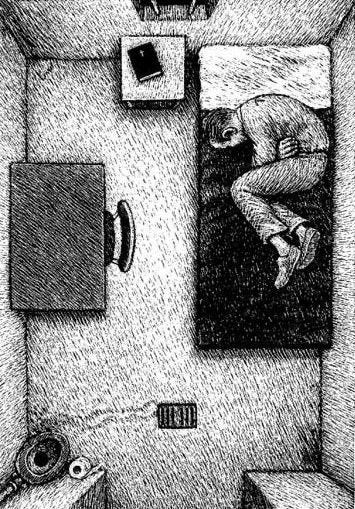
It had been seven days since I was lying in bed.
You prepared for two exams, my mother said. If one didn’t go well, it’s okay. You still have another chance. Tomorrow.
No, Mom. It’s impossible, I said. I have no strength left. I can’t do this. I can’t wake up and go to the centre.
She didn’t argue angrily. She reminded me quietly, “You prepared for these two exams for three years. Just go and give your best.”
“Only a hundred seats,” I said. “Against thirty thousand students. I can’t. I’m exhausted.”
The weight of the last exam sat heavy on my chest.
I’ll tell you tomorrow, I said. Please leave me alone for now
14 December
I woke up at 8 a.m., but it didn’t feel like morning.
There was light in the room, yet my body felt heavy, like the night hadn’t ended. I don’t know what woke me up. There was no alarm, no motivation to go. I woke up with anxiety. The mind switched on before the body asked for it.
My eyes opened, and I lay on the bed staring at my table. Thousands of mock papers were lying there, the ones I had done earlier.
A thought came: I have done hundreds of mocks, thousands of sectionals. I abandoned friendships. I abandoned family functions for this. I abandoned everything.
And now I am not going to give the exam?
How are these thoughts even coming into your mind, Akash? Are you mad? You got an All India Rank 18 in coaching. How can you think you are not going?
By 8:30, somehow, I found the strength to go.
Mom, I’m going to give the exam. It starts at 1:50. I’ll leave by 11.
She was happy about my decision. She wanted to come with me to the exam centre. She knows how I get. I didn’t want that. I never take anyone with me.
“Akash, you’re going so early?”
“Mom, I can’t afford any time problem. I want to reach the centre even one hour early.”
I booked a cab. Bhaiya said it would take around one and a half hours. I sat in the cab, but I felt something un-belonging. The air felt unreal, as if the world had been turned down, not off.
I couldn’t read the cab bhaiya’s expression. He felt emotionless. After just 3 km, the car stopped. At first, I thought it was normal traffic. Fifteen minutes passed, and the car didn’t move an inch.
Then bhaiya suggested I take the metro. “It’s just 500 meters away,” he said. “Otherwise, you’ll be stuck.”
There was a protest going on about air pollution. By then, it was already 11:30
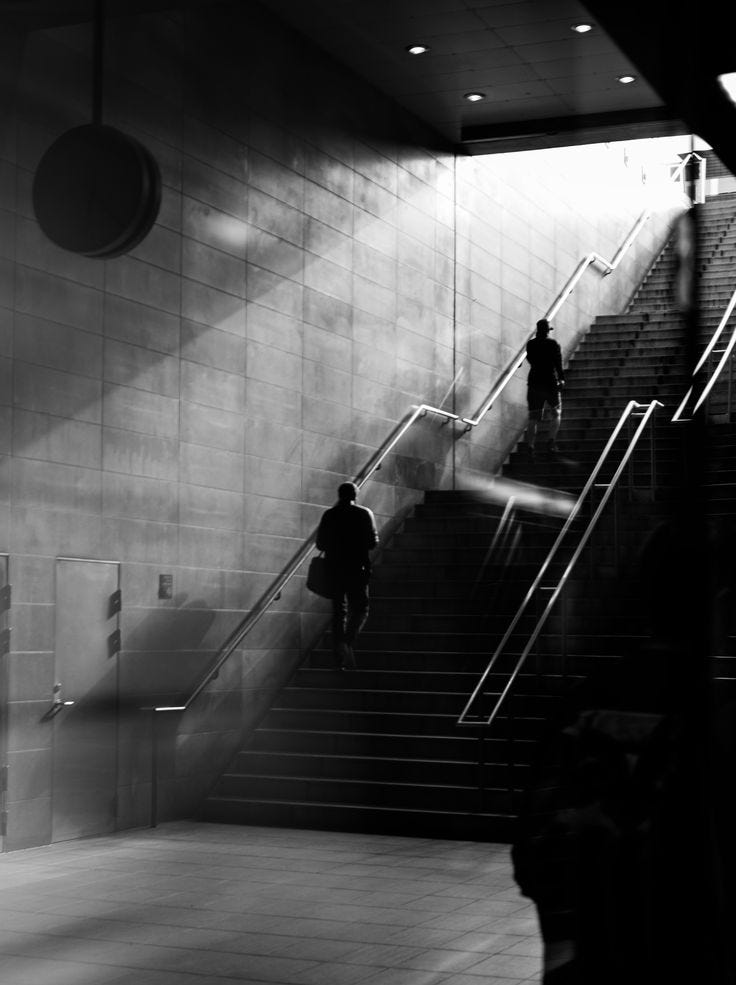
so, I reached the metro station, but something felt wrong. A strange energy hung around me. The air felt thick, heavy, like a presence pressing down. I felt un-belonging, as if I was new to this world.
Inside the underground station, barely one or two shops were open. When I reached the gate, I tried to buy a ticket online, but somehow my Paytm wasn’t working.
I went to the counter for an offline ticket. There were around forty people in line. It was already 11:40. I knew standing there would take at least twenty minutes.
I thought of asking the people at the front. I stepped slightly out of the line and showed my admit card, telling them I was getting late for my exam.
As I moved, I felt eyes following me. When I reached the first few people, their faces were closed. No warmth. No response. They refused without even looking properly, waving me away with their hands.
I stepped back into the line without saying anything.
When my turn finally came, I asked for a ticket and gave a hundred-rupee note.
A voice came through the small glass opening. “We don’t have change.”
I froze. After forty people, they didn’t have fifty rupees?
“It’s okay,” I said quietly. “Keep the hundred. Just give me the ticket.”
He refused.
Voices rose behind me. “We’re getting late.” “Step out of the line.”
Two voices became five. Then many. I stepped out.
I wanted to sit down and understand what was happening that day, but I didn’t have time. Time was the one thing I couldn’t afford. So I left the station and decided to go to another one.
After reaching the next metro station, I asked the e-rickshaw driver how much it was. He said twenty rupees. I gave him a hundred-rupee note. He said he didn’t have change.
This time, it felt unreal. Like I was inside a dream I couldn’t wake up from. I felt like I was drowning, fully awake, watching everything happen. It felt as if the entire day was against me.
I didn’t argue. I smiled and said, “Take the hundred.”
At the second metro station, there were fewer people. Around ten in line. I told myself this would work.
It was already 12:10. I stood in the line again. My body felt tight, like it was bracing for something even before it happened.
When my turn came, I handed over the money.
The same voice. The same words. “We don’t have change.”
I didn’t react this time. No anger. No protest. I stepped out of the line. My body felt numb, disconnected, like it wasn’t listening to me anymore.
I didn’t know what to do. The roads were jammed. Cabs wouldn’t move. The exam centre felt far away, unreachable.
I walked and found a small shop nearby. I didn’t ask for change. I bought a ninety-rupee water bottle and a sixty-rupee chocolate with a five-hundred-rupee note.
When I finally held smaller notes in my hand, it felt absurd. As if this was what the day wanted from me.
I stood in the line again. This time, I got the ticket.
It was 12:30 when I entered the metro.
I entered the metro.
The moment I stepped inside, a voice rose in my head: Why are you doing this, Akash? You won’t reach on time.
It felt like someone had pressed a knife against my chest. I had never imagined myself in this position. Not once in three years of preparation. I wasn’t ready for this. I didn’t know how to react.
I had imagined every possible scenario during my preparation, every kind of pressure but this was beyond my mind.
As the metro started moving, I counted again. Eighteen stations. Two interchanges.
By the time I reached the second interchange, it was 1:50. The exam had started. Students were filling their OMR sheets, and I still had five stations left.
They would start writing at 2:00. I had to survive these five stations.
“God, please,” I whispered. “Finish these stations in five minutes.”
Another voice answered immediately. How can God help? Five stations take twelve minutes. Simple maths.
“Stop,” I told myself. “Stop, evil mind. He can help me. He can do the impossible. That’s why he is God.”
I begged.
Every second felt sharp. Each tick of the clock cut through skin
When I reached the last station, it was already 2:02.
Basic maths had won.
The exam centre was still one kilometre away. I saw a single e‑rickshaw. I ran to him and begged him to take me it was an emergency.
A flat voice replied, “Five hundred rupees.”
My body shook. I could only hear the voice. I could only see his dark, empty eyes.
It felt wrong, but not wrong enough to refuse.
I didn’t argue. I said, “Okay.”
I sat in the e-rickshaw Something struck me again, quietly but sharply: Is this the world I live in? Is this the same world I’ve always known?
The world hadn’t changed. I had.
Today I could see it clearly because I was the one standing on the weaker side of things. My position had shifted, and suddenly the rules looked different. Morality bends with situation. It bends with time. Human emotions are conditional, not absolute.
People don’t take responsibility; they take opportunity. Companionship dissolves when it’s no longer convenient. What remains is sympathy, handed out from a safe distance, never close enough to actually help.
The world stayed the same. I was the variable. And because of that, everything felt unfamiliar, like a bad dream I couldn’t wake up from.
Still, I carried hope with me. I told myself I would reach the centre. I would sit down. I would complete the paper.
But somewhere deeper, quieter, I already knew the truth. Every minute mattered, and those minutes were slipping away.
Hope is an odd thing. In retrospect, it is a form of sorrow. But in the present, as an experience, it helps people endure. It makes them cling to the possibility of a positive outcome, sometimes until the death
The e-rickshaw stopped. I jumped before it fully halted. Parents and guards were watching. Their eyes followed me, sharp, judging.
A guard’s voice cut through the noise. “Come fast.”
In that moment, I felt irresponsible in everyone’s eyes. Like I had done something wrong just by arriving this way. As I ran, a thought hit me hard: I want to quit now. Every step felt heavier than the last. Every stare pressed down on me.
Still, I entered.
The guard stopped me. Before he could finish his sentence, I pulled off my bag and phone and threw them outside the gate. I wanted to say, please look after this, wanted to explain why I was late, why I looked like this. But explanation takes time, and time was already gone.
I reached the classroom at 2:15.
I sat at the desk. The invigilator was handing out sheets as fast as possible. I started writing immediately, without calming myself. My heart was beating too fast. My hands felt restless. I needed one minute. Just one. But even one minute felt too expensive.
At 4 pm, the bell rang.
It felt unreal. Like hours had passed in minutes. When the bell rang, a question echoed inside me: Is this what I prepared for? Is this what I gave three years of my life to? Nights, days, discipline, sacrifice, it feels like end of the world
I walked out. My bag and phone were still there. The guard looked at me. He didn’t say anything. I thought he might ask, might want an explanation. But I realized something then: today I was the victim, but for him, I was just another student. He sees people like me every day.
After everything, I was going home.
On the way, a small thought appeared, quiet and disturbing: you might not make it home. It passed, but it stayed somewhere inside.
When I entered the metro again, I saw students discussing the paper. Some were laughing, some were tense, but they were sharing. I moved forward and stood among them for a moment, then moved away. I didn’t belong there. I stood near the door instead. Their voices followed me. The discussion continued, sharp and endless.
I wanted to tell someone how this day had gone. This was the most important day of the year. Maybe of my life. I wanted to explain the delay, the panic, the running, the lost minutes.
Then another thought interrupted everything: you left fifteen questions. Fifteen small absences that could decide everything.
Before the thought could deepen, my phone rang.
It was my friend. I felt a small relief. Before accepting the call, I made a decision. I would tell him everything. I would ask him to meet me. My body felt strange, heavy, unfamiliar. I needed someone.
I accepted the call.
Before I could speak, his voice came laughing, “Hello, how was your paper?”
I said hello first. My voice betrayed me.
“What happened to your voice?” he laughed again. “Are you crying or sick?”
Then the judgment followed immediately. “Paper didn’t go well, right? I already told you, you can’t do this. Why are you wasting your years?”
In less than a minute, every expectation I had from friendship ended.
Maybe I lack humour. Maybe he lacks sense. In that moment, I didn’t know who he was anymore. It felt unreal, like a bad dream.
I cut the call. I said I would call later.
Four stations passed. The heaviness moved to my eyes. My palms were wet. A strange warmth spread across my neck. My thoughts started spinning too fast to hold. Before I could understand what was happening, my phone rang again.
It was my father.
Again, I prepared myself. I told myself I would explain everything. I would tell him about the fifteen minutes. He might think I was irresponsible, but he is my father. He would understand.
I picked up.
“Where is your mother?” he asked.
“She’s at home,” I said.
“Where are you?”
“In the metro.”
“What are you doing in the metro?”
“Why aren’t you home yet?”
Those words broke something in my chest.
The most important day of my life, and no one even knew.
I said quietly, “It was my exam today.”
He said “okay.”
The call ended
after five minutes I saw in my coach, a few people stood, but all the seats were full. Something was happening inside me I couldn’t control myself. An unfamiliar energy was building up in my entire body. I tried to restrain it, clenching my fists.
Then I felt it: a warmth on my cheeks. The first tear escaped. Years of exhaustion, pressure, and endless exams poured out in that single moment. It didn’t stop. Two, three more tears followed like raindrops, clouds building over my chest.
I turned my face toward the gate. I didn’t want anyone to notice. Still, ten stations remained. Every breath felt impossible. The more I tried to hold back, the sharper it became, like knives piercing through my chest. I wanted to stop controlling it, to let it out, but the world and the weight inside me collided, making each second unbearable.
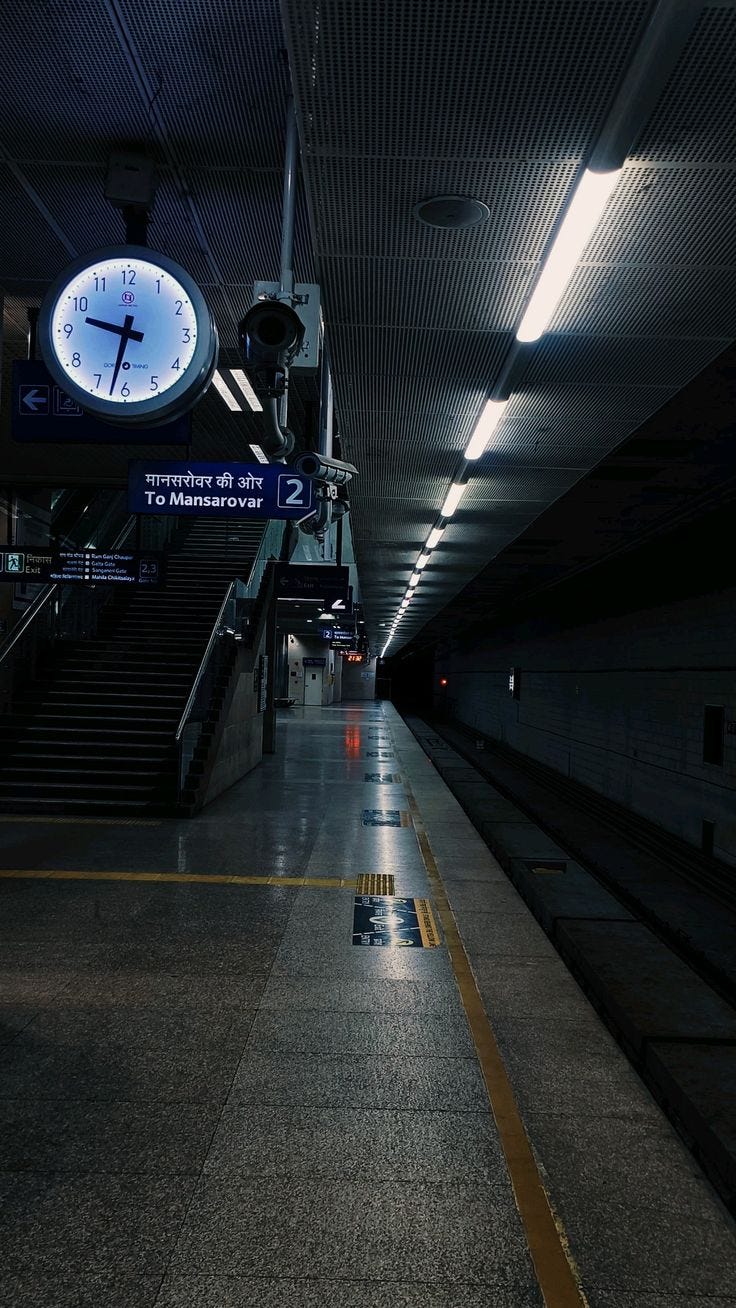
I knew that if I stayed there, people would notice me, or I would emotionally collapse. So I stepped out suddenly, at a middle station.
The station was empty. No eyes followed me. I stood there near the bench.
I sat on the bench. That emotion was not going to stop, and I didn’t want it to. The more I cried, the more tightness spread through my body. And strangely, the more I cried, the more lightness I felt on my shoulders and around my eyes.
Thirty minutes passed.
Then a thought came.
What are you going to do with your life?
Three years wasted.
Careless.
What are you even doing?
As those thoughts passed through my head, I felt something dangerous inside me. Something not right.
Why are you going home?
What is waiting for you there?
Why are you living like this?
More questions followed. The danger grew.
Jump onto the tracks. End it. The metro will come in two minutes.
That thought was not mine.
That was not who I am.
I couldn’t control my mind anymore.
Before anything went further, I saw four missed calls from my mother and more than twenty messages.
Before I could decide anything, I knew one thing clearly: I had to leave this place.
This station could not help me right now.
So I stepped out of the metro station.
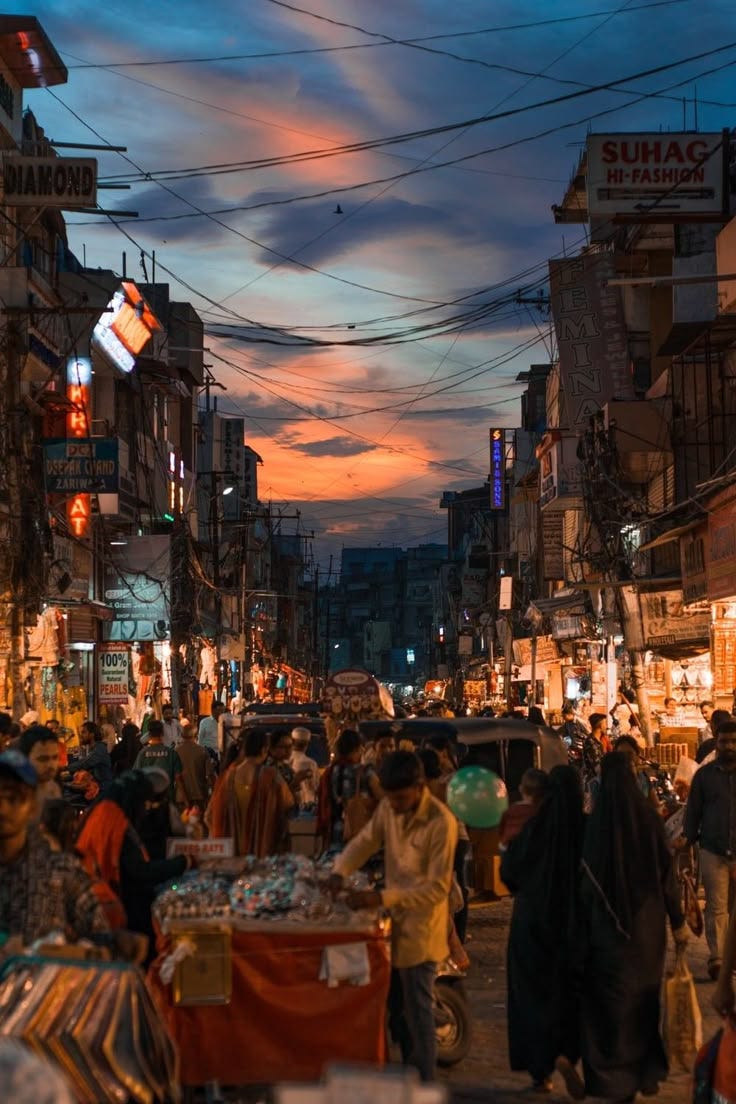
When I stepped out of the metro station, I saw a big street. Local shops, buses, noise, people moving everywhere.
Even then, I could still feel danger inside myself. I had no control over my emotions or my body anymore.
So I decided to walk. Nowhere specific. I just walked toward the street.
People were arguing. Some were laughing. Some were selling books. Some were making small crafts. Some were eating food on the roadside.
The more I walked, the more I felt the energy around people.
The more I walked, the more I felt acceptance.
The more I walked, the more it felt like this world belonged to me too.
A thought came to me.
It’s okay. You tried, at least.
In the morning, you had no strength to give the exam. Everything went against you today, and still you reached the centre.
And it’s okay to have a dream of studying in a top law college of India. But even if you don’t study there, you will still become a damn good lawyer.
The more I walked, the more I remembered the day I told my father I wanted to become a lawyer, and the pride in his eyes.
The more I walked, the more I remembered my mother waiting for me at home.
The more I accepted myself, the more I walked.
The more I walked, the more I remembered that I am not someone who kneels in front of failure.
I remembered how my sister is proud of me, how they know my dedication, how they believe I am meant to do something meaningful.
I don’t know if this is what life is. But I know this much: I cannot kneel against myself.
The more I walked, the more I understood that emotions matter.
And the more I walked, I realised something simple and true.
That thirty-minute walk to nowhere saved my life.
Hey Akash!
I'm not sure what lies ahead or what you plan to do now, but I can tell you the last 10 mins I spent reading your essay it felt like I was the one travelling to the exam centre and it was me who went through that ordeal. You transported me back by more than a decade and when I came back to the present I realised it wasn't me who through all this. This is one of the best pieces I've read on Substack and if you continue to write so well, I'm sure you'll have your own separate fan base. And count me as one. You earned one more subscriber bhai. You write so damn well. I really look forward to reading more from you :)
This didn’t feel like a story, it felt like someone finally saying out loud what thousands of students silently live through. Respect for your courage to share this. Thank you for writing this without glorifying failure or suicide. You showed how dark it can get and still chose to stand up for yourself. That’s strength, not weakness